
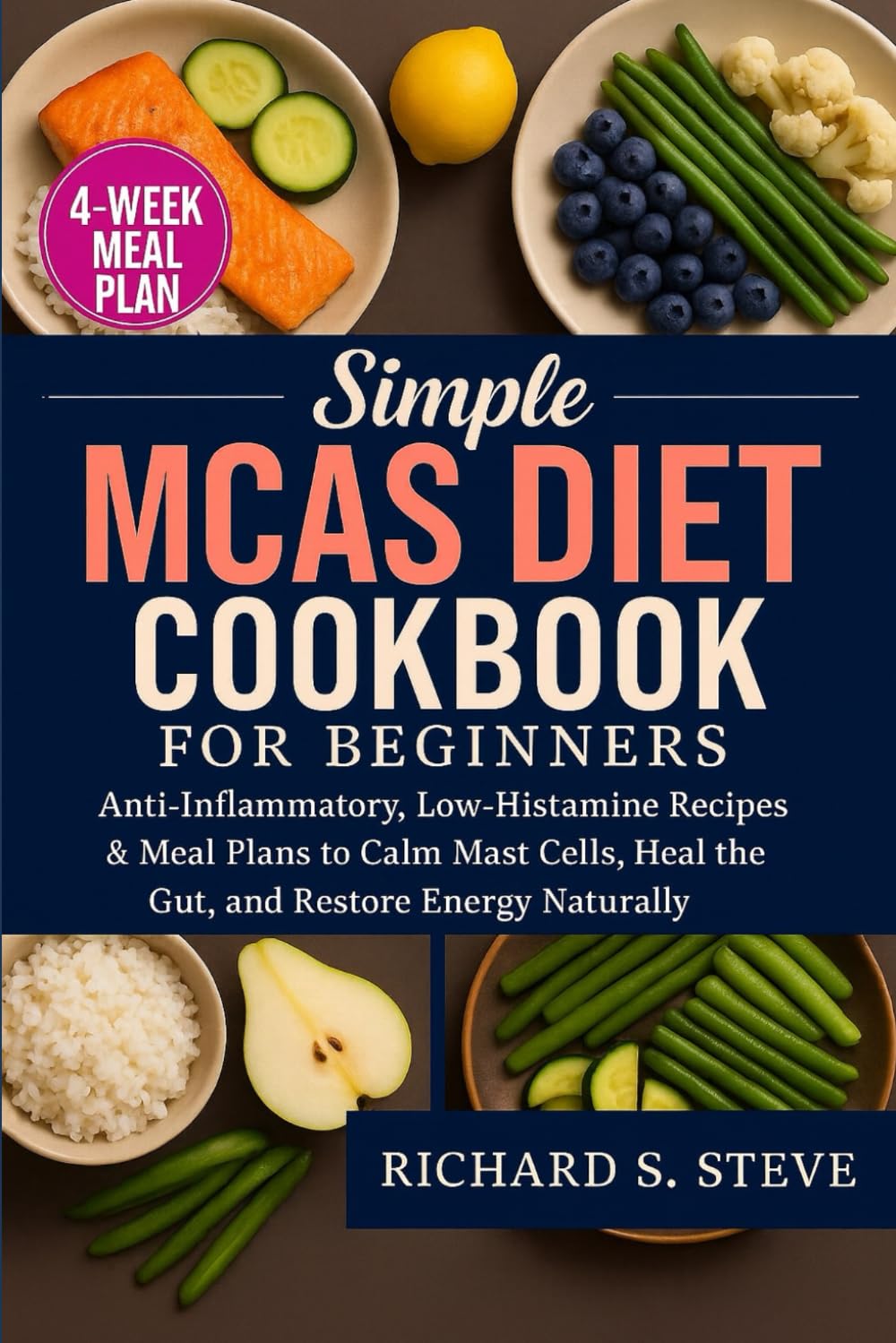
SIMPLE MCAS DIET COOKBOOK FOR BEGINNERS: Anti-Inflammatory, Low-Histamine Recipes & Meal Plans to Calm Mast Cells, Heal the Gut, and Restore Energy Naturally Paperback – October 25, 2025
Product details
| Management number | 220493585 | Release Date | 2026/05/03 | List Price | $8.80 | Model Number | 220493585 | ||
|---|---|---|---|---|---|---|---|---|---|
| Category | |||||||||
Understanding Mast Cell Activation Syndrome (MCAS)Mast Cell Activation Syndrome (MCAS) is a complex, often misunderstood immune condition in which the body’s mast cells—an essential component of the immune system—become overactive or dysregulated. Mast cells normally protect us by releasing chemical mediators such as histamine, prostaglandins, and cytokines in response to allergens or infections. However, in MCAS, these cells release their contents inappropriately, excessively, or in reaction to triggers that shouldn’t cause an immune response at all. The result is a flood of inflammatory chemicals that can affect multiple organs, leading to a wide array of unpredictable and chronic symptoms.The Role of Mast Cells in the BodyMast cells are specialized white blood cells located throughout the body—in the skin, lungs, digestive tract, brain, and near blood vessels. They act as gatekeepers of the immune system, always alert for danger signals. When the body detects something harmful, like a pathogen or allergen, mast cells spring into action, releasing histamine and other mediators to defend against the perceived threat.Under normal conditions, this system is tightly regulated. But in people with MCAS, mast cells can misfire repeatedly or respond to harmless stimuli. This overreaction results in persistent inflammation and symptoms that mimic other conditions such as allergies, autoimmune disorders, or irritable bowel syndrome. The widespread nature of mast cells explains why MCAS can impact so many body systems at once—from digestive discomfort to cardiovascular instability.Common Symptoms and Systemic ImpactBecause mast cells exist throughout the body, MCAS symptoms vary widely and often fluctuate in intensity. Some of the most common manifestations include:Skin reactions such as hives, flushing, or itching without a clear causeGastrointestinal disturbances including bloating, abdominal pain, nausea, or diarrheaRespiratory issues like wheezing, coughing, or throat tightnessCardiovascular symptoms such as rapid heart rate, dizziness, or fainting episodesNeurological and cognitive effects, often described as “brain fog,” anxiety, or sudden fatigueMusculoskeletal pain and general inflammation in joints or musclesThese symptoms may appear singly or in combination and can change daily. Because of this variability, many individuals spend years seeking a diagnosis before discovering that mast cell overactivation is the root cause.What Causes MCAS?The exact cause of MCAS remains an active area of medical research, but several underlying mechanisms have been identified. For many people, MCAS appears to have both genetic and environmental influences. Some may inherit a predisposition for mast cell dysfunction, while others develop it after chronic infections, chemical exposures, or traumatic events.Common triggers include:High-histamine foods (such as aged cheese, fermented products, and processed meats)Environmental allergens like mold, pollen, and pet danderTemperature changes (heat or cold can trigger reactions in sensitive individuals)Stress, both emotional and physicalCertain medications that cause mast cell degranulation (for example, NSAIDs or opiates)Hormonal fluctuations, especially in women during menstruation or menopauseEach individual’s trigger profile is unique, which makes personal observation and dietary journaling essential tools in managing MCAS effectively.How Diet Affects Mast Cell StabilityThe connection between diet and MCAS is profound. Food is one of the most frequent and controllable triggers, and dietary adjustments can significantly reduce flare-ups. Many people with MCAS find relief through a low-histamine, anti-inflammatory eating plan, which aims to minimize foods that release histamine or promote mast cell activation. Read more
| ISBN13 | 979-8271470554 |
|---|---|
| Language | English |
| Publisher | Independently published |
| Dimensions | 6 x 0.55 x 9 inches |
| Item Weight | 15.2 ounces |
| Print length | 244 pages |
| Publication date | October 25, 2025 |
Bestseller ranking
Trunks



Customers who viewed this product also viewed
Thermoses


Correction of product information
If you notice any omissions or errors in the product information on this page, please use the correction request form below.
Correction Request Form